
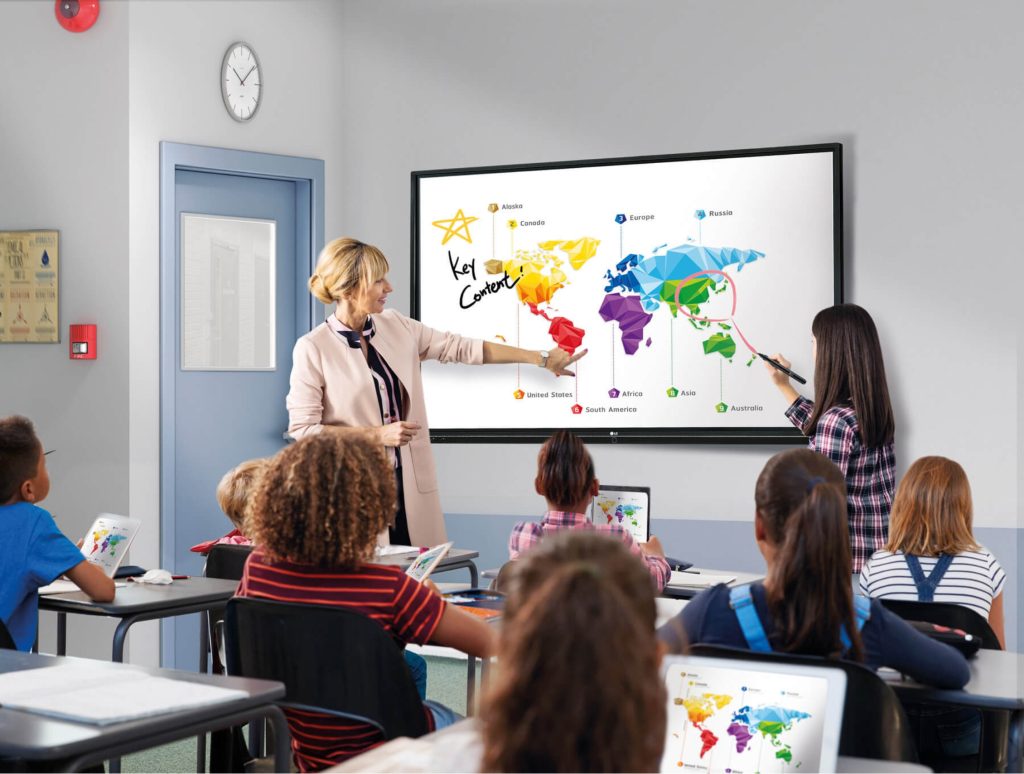
In the rapidly evolving world of education, interactive whiteboards are transforming classrooms into dynamic, engaging learning environments. Gone are the days of static, traditional teaching methods. Today’s classrooms are embracing technology, and interactive whiteboards are at the forefront of this revolution.
What is an Interactive Whiteboard?
An interactive whiteboard (IWB) is a large, touch-sensitive screen connected to a computer and projector. It allows teachers and students to interact with digital content in real-time. These boards enable users to draw, write, and manipulate digital objects directly on the board’s surface, making learning more interactive and engaging.
Benefits of Interactive Whiteboards
- Enhanced Engagement and Participation Interactive whiteboards make lessons more engaging by allowing students to actively participate. Whether it’s solving a problem, drawing diagrams, or interacting with multimedia content, students are more likely to stay focused and interested.
- Versatile Teaching Tools IWBs support a wide range of teaching methods. Educators can display presentations, videos, and interactive simulations. They can also use the board to annotate documents, conduct polls, and create collaborative activities, catering to various learning styles.
- Instant Feedback and Assessment With interactive whiteboards, teachers can provide immediate feedback. They can quickly assess student understanding through interactive quizzes and activities, allowing for real-time adjustments to their teaching approach.
- Enhanced Collaboration Interactive whiteboards facilitate collaboration among students. Group activities can be displayed on the board, and students can work together to solve problems or complete tasks. This collaborative approach helps build teamwork skills and encourages peer learning.
- Integration with Digital Resources IWBs can be integrated with various digital resources, including educational apps, online tools, and interactive software. This integration enriches the learning experience and provides access to a wealth of information and resources.
- Environmentally Friendly By replacing traditional paper-based materials with digital resources, interactive whiteboards contribute to a more sustainable classroom environment. They reduce the need for printed handouts and worksheets, cutting down on paper waste.
Implementing Interactive Whiteboards
Integrating interactive whiteboards into the classroom requires thoughtful planning. Schools should consider factors such as the technical requirements, training for teachers, and ongoing maintenance. Providing professional development for educators ensures they are equipped to use the technology effectively and maximize its benefits.
Conclusion
Interactive whiteboards are revolutionizing the way we teach and learn. By making lessons more engaging, versatile, and interactive, they enhance the overall educational experience. As technology continues to advance, IWBs will play an increasingly important role in shaping the future of education, fostering collaboration, and making learning more interactive and impactful.